
Creating a home office that is both cozy and functional can significantly improve your work-from-home experience. Whether you have a dedicated room or a small corner, designing a space that promotes focus while offering comfort is key. In this guide, we’ll share simple tips to help you set up a home office that balances practicality with warmth.
1. Choose the Right Location
Finding the ideal spot is the first step in creating a productive home office.
– Quiet and private: Look for a space with minimal distractions, away from household noise.
– Natural light: Position your desk near a window if possible. Natural light enhances mood and reduces eye strain.
– Accessibility: Ensure easy access to power outlets and your internet connection.
If space is limited, consider using a fold-away desk or a compact workstation in a less-used area like a hallway or nook.
2. Invest in Ergonomic Furniture
Comfortable furniture supports long hours of work and prevents fatigue.
– Desk: Choose a desk with enough surface area for your computer, paperwork, and tools without feeling cramped.
– Chair: An ergonomic chair with adjustable height and good lumbar support can help maintain proper posture.
– Accessories: Consider a footrest and an adjustable monitor stand to keep your screen at eye level.
Taking the time to invest in quality furniture pays off in better health and efficiency.
3. Optimize Lighting
Proper lighting reduces eye strain and creates a welcoming environment.
– Layer lighting: Combine natural light with overhead fixtures and task lighting like desk lamps.
– Warm bulbs: Use bulbs with a warm color temperature (around 2700K to 3000K) for a cozy atmosphere.
– Adjustability: Choose lights with dimmers or adjustable brightness to control the ambiance throughout the day.
Avoid glare by positioning your monitor perpendicular to windows or using blinds to control sunlight.
4. Organize Your Space
An organized workspace helps maintain focus and reduces stress.
– Storage solutions: Use shelves, drawers, and organizers to keep supplies tidy and within reach.
– Declutter regularly: Remove unnecessary items from your desk to keep your space clean.
– Cable management: Use clips or cable boxes to keep cords out of sight and prevent tangling.
Label containers and files to quickly find what you need.
5. Personalize Your Workspace
Adding personal touches makes your office inviting and motivates you throughout the day.
– Decor: Choose artwork, photos, or plants that inspire you without creating distractions.
– Colors: Use calming or uplifting colors in your decor to enhance your mood. Soft blues and greens encourage focus, while warm tones add coziness.
– Comfort items: Add a cozy throw blanket, cushions, or a small area rug for warmth and texture.
Balance personalization with professionalism if you expect video calls from your workspace.
6. Incorporate Technology Wisely
Technology is essential but should not overwhelm your desk.
– Essential devices: Include a reliable computer, a good-quality headset or speakers, and a fast internet connection.
– Organized setup: Use docking stations or stands to streamline your devices and reduce clutter.
– Backup power: Consider an uninterruptible power supply (UPS) to protect against outages during important work.
Regularly update software and perform maintenance to keep your setup running smoothly.
7. Create Boundaries Between Work and Home
Maintaining a work-life balance can be challenging when your office is at home.
– Clear separation: Use room dividers or curtains if your office is part of a shared room.
– Defined work hours: Set specific times for work and breaks to avoid burnout.
– End-of-day routine: Close your laptop and tidy your desk to signal the end of the workday.
Establishing boundaries helps maintain productivity and personal well-being.
8. Include Greenery and Air Quality
Plants not only beautify your space but also improve air quality and mood.
– Easy-care plants: Choose low-maintenance plants like snake plants, pothos, or succulents.
– Placement: Position plants where they receive adequate light without cluttering your desk.
– Air circulation: Keep windows open when possible and consider an air purifier to maintain fresh air.
Natural elements help reduce stress and increase creativity.
Final Thoughts
Designing a cozy and functional home office space is about balancing comfort, organization, and personalization to create an environment where you can work effectively and feel good. By focusing on location, furniture, lighting, and thoughtful details, your home office becomes a place that supports productivity and well-being every day.
Take the time to customize your workspace and enjoy the benefits of a well-designed home office tailored to your needs.
Related Posts
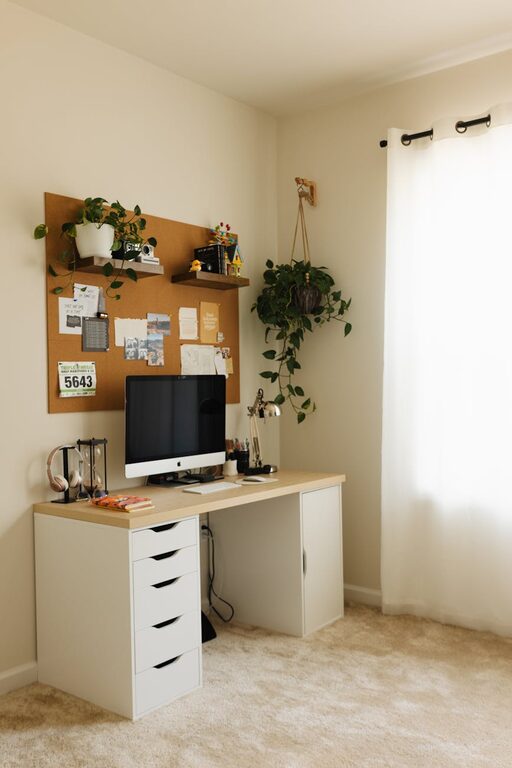
Tips for Creating a Cozy and Functional Home Office Space
Creating a home office that feels cozy yet functional is…

Tips for Creating a Cozy Reading Nook in Your Home
Creating a cozy reading nook in your home is a…
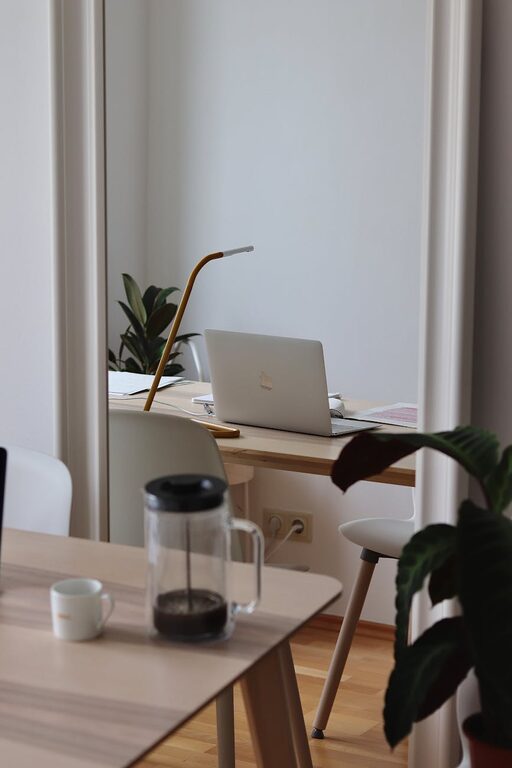
Tips for Creating a Cozy and Productive Home Workspace
Creating a home workspace that balances comfort with productivity is…