
Creating a relaxing home workspace is key to maintaining productivity, focus, and overall well-being while working from home. A space that feels calm and organized can reduce stress and allow you to perform your best. Whether you have a dedicated office room or a small corner in your living area, making intentional design choices will help you stay motivated and comfortable throughout the day.
Here are practical tips for setting up a home workspace that promotes relaxation and productivity.
Choose the Right Location
Selecting where to set up your workspace makes a big difference. Ideally, pick a spot away from high-traffic areas and distractions. If possible, use a separate room or a quiet nook. Consider factors like natural light, noise levels, and privacy.
Benefits of Natural Light
Natural light helps regulate your body’s internal clock and improves mood. Position your desk near a window to receive soft daylight. If natural light is limited, opt for daylight-balanced artificial lighting that mimics natural brightness without causing glare.
Invest in Comfortable Furniture
Comfortable and ergonomic furniture supports healthy posture and reduces physical strain.
– Ergonomic Chair: Choose a chair that offers adjustable height, lumbar support, and cushioned seating.
– Desk Height: Your desk surface should align with your elbows when your arms rest comfortably.
– Footrest: Using a footrest can help maintain proper leg positioning and improve circulation.
Taking care of your body while working will prevent discomfort and help you focus better.
Keep the Space Organized
Clutter can create mental distractions. Maintaining an organized workspace enhances relaxation and efficiency.
– Declutter Regularly: Remove unnecessary items from your desk.
– Storage Solutions: Use shelves, drawers, or bins to keep documents and supplies tidy.
– Cable Management: Use clips or sleeves to prevent tangled wires.
An orderly environment provides a sense of calm and makes finding important materials effortless.
Add Calming Elements
Incorporating soothing touches in your workspace can create a peaceful atmosphere.
– Plants: Indoor plants purify the air and add a touch of nature.
– Colors: Soft, neutral tones or pastel colors on walls and decor help reduce stress.
– Aromatherapy: Using gentle scents like lavender or eucalyptus via diffusers or candles promotes relaxation.
These elements support mental clarity and create a welcoming environment.
Personalize Without Overdoing It
A personalized space feels inviting and motivating but be careful not to overcrowd the area with distractions.
– Display a few meaningful photos or artwork.
– Include inspirational quotes to keep you motivated.
– Use desk accessories that serve a function and add personality.
Balancing personalization with simplicity will keep your workspace enjoyable and professional.
Create a Routine and Boundaries
A relaxing workspace supports but does not replace good work habits.
– Set Working Hours: Define clear start and finish times to maintain work-life balance.
– Take Breaks: Regular breaks improve focus and reduce fatigue.
– Minimize Interruptions: Use “do not disturb” signals or noise-canceling headphones if needed.
Routine and boundaries complement your physical workspace to sustain productivity.
Use Technology Wisely
Technology is essential but can be distracting. Optimize your tools for efficiency.
– Organize Digital Files: Keep your desktop and folders clean.
– Use Productivity Apps: Tools for task management or time tracking can help you stay on target.
– Limit Notifications: Turn off non-essential alerts during work hours.
Smart use of technology enhances workflow and reduces stress.
Maintain Good Air Quality
Fresh, clean air contributes to comfort and alertness.
– Open windows for ventilation whenever possible.
– Use an air purifier if needed to reduce dust and allergens.
– Avoid strong chemical cleaners that can irritate the senses.
Good air quality supports a healthier working environment.
Final Thoughts
Designing a relaxing home workspace involves thoughtful attention to environment, comfort, and organization. Small changes like investing in ergonomic furniture, adding natural elements, and maintaining order can create a significant positive impact on your productivity and wellbeing. By combining an inviting space with healthy routines and mindful technology use, you’ll be well-equipped for successful, stress-free workdays from home.
Related Posts
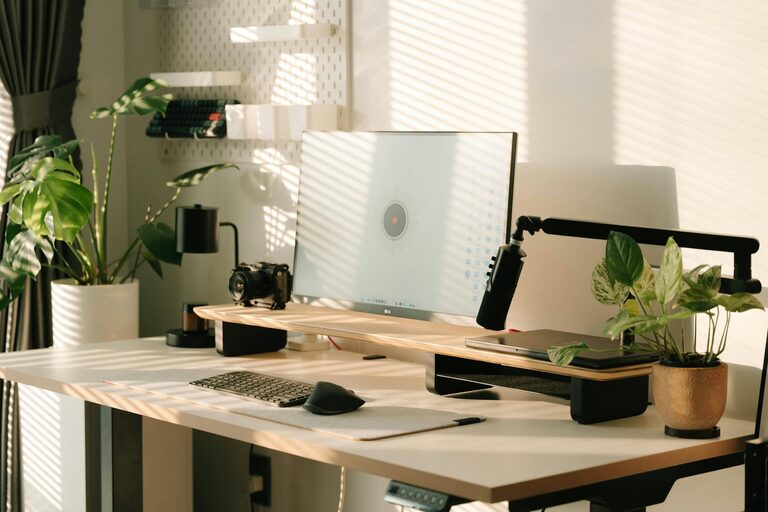
Tips for Creating a Cozy and Productive Home Office Space
Creating a home office that combines comfort with productivity can…
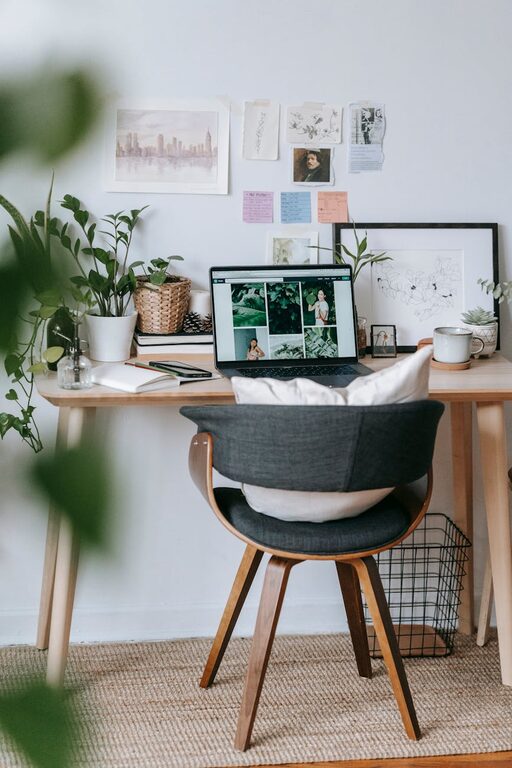
Tips for Creating a Cozy and Inviting Home Workspace
Creating a cozy and inviting home workspace is essential for…

Tips for Creating a Cozy and Functional Home Office Space
Creating a home office that is both cozy and functional…